


How To Make Smooth Operation of Hotel and Restaurant?
- admin

- Dec 17, 2025
- 2 min read
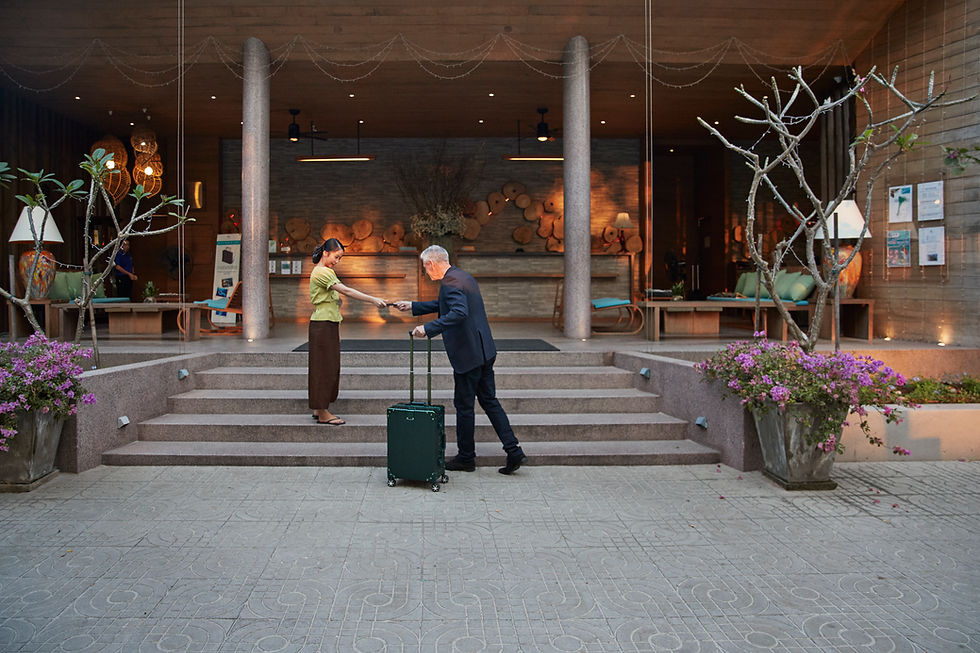
Running a hotel and restaurant smoothly requires more than good food and comfortable rooms. It demands strong leadership, clear systems, trained staff, effective communication, and a guest-first mindset. When operations run seamlessly, guest satisfaction improves, costs are controlled, and business growth becomes sustainable. Let’s explore the key pillars that ensure smooth hotel and restaurant operations.
1. Strong Leadership and Clear SOPs
Effective operations start with strong leadership and well-defined Standard Operating Procedures (SOPs).
Best Practices:
Define SOPs for every department (Front Office, Housekeeping, F&B, Kitchen, Maintenance, HR)
Conduct daily briefing and handover meetings
Ensure accountability at every level
Encourage open communication between management and staff
Clear SOPs reduce confusion, errors, and dependency on individuals.
2. Skilled and Well-Trained Staff
People are the backbone of hospitality. A well-trained team delivers consistent service.
Key Actions:
Regular staff training and refresher sessions
Grooming and service etiquette training
Cross-training to handle peak hours
Performance reviews and feedback
Motivated and knowledgeable employees create positive guest experiences.
3. Efficient Front Office and Reservation Management
Front office is the first and last impression for guests.
Smooth Operation Tips:
Maintain accurate reservation and room status records
Avoid overbooking through proper coordination
Use clear check-in and check-out procedures
Handle guest complaints promptly and professionally
A strong front office ensures hassle-free guest journeys.
4. Seamless Housekeeping and Maintenance Coordination
Cleanliness and functionality define hotel quality.
Best Practices:
Daily room inspection and checklists
Maintenance job orders for repairs
Preventive maintenance schedules
Clear communication between housekeeping and engineering
Proactive maintenance avoids guest dissatisfaction and breakdowns.
5. Well-Organized Restaurant and Kitchen Operations
Restaurant efficiency directly impacts guest satisfaction and revenue.
Restaurant Operation Essentials:
Standard recipes and portion control
Proper mise-en-place and kitchen planning
Clear order-taking and KOT systems
Inventory and stock control
Smooth coordination between service and kitchen teams ensures timely and quality service.
6. Inventory, Cost Control, and Vendor Management
Cost control is critical for profitability.
Key Areas:
Regular stock audits
FIFO (First In, First Out) practices
Vendor quality and rate checks
Daily sales and cost analysis
Good control systems prevent wastage and revenue leakage.
7. Effective Communication and Daily Reporting
Timely information keeps operations aligned.
Tools to Use:
Daily sales and occupancy reports
Log books and handover registers
Inter-departmental meetings
Guest feedback forms
Clear communication avoids misunderstandings and delays.
8. Guest-Centric Service Approach
Guests are the heart of hospitality.
Guest Service Tips:
Personalize guest interactions
Handle complaints with empathy
Surprise guests with small gestures
Follow up on feedback and reviews
Happy guests lead to repeat business and positive word-of-mouth.
9. Use of Technology and Automation
Technology simplifies operations and improves accuracy.
Useful Tools:
Property Management Systems (PMS)
POS systems for restaurants
Online booking engines
Inventory and payroll software
The right technology saves time and reduces human error.
10. Continuous Monitoring and Improvement
Smooth operations are a continuous process, not a one-time setup.
Focus Areas:
Regular audits and SOP reviews
Staff feedback and suggestions
Guest review analysis
Performance benchmarking
Continuous improvement keeps the business competitive and efficient.
Smooth hotel and restaurant operations depend on people, processes, and performance. With strong leadership, trained staff, proper systems, and a guest-first culture, hospitality businesses can deliver consistent service, control costs, and achieve long-term success.
A well-managed hotel and restaurant doesn’t just meet expectations—it exceeds them.


Comments